Born on the Water: Why Michigan's Lake Life Is a Culture, Not Just a Weekend
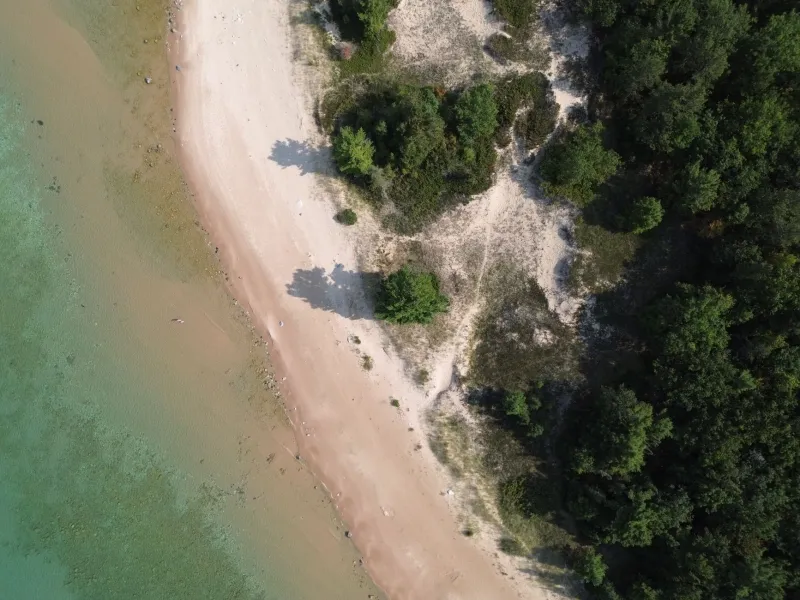
Ask any Michigander what they miss most when they leave the state, and you'll almost never hear "the weather." What you will hear — every single time — is the water. Specifically, the Great Lakes. That massive, shimmering, freshwater empire that wraps around Michigan like a hug from a very large, very wet friend.
It's easy to throw around statistics about the Great Lakes — roughly 21% of the world's surface fresh water, more than 3,000 miles of shoreline within Michigan alone — but numbers don't capture what it actually feels like to grow up here. To have a lake as your compass point. To schedule your summers around it, your weekends around it, your entire emotional wellbeing around it.
This isn't beach culture the way California means it. This is something quieter, more stubborn, and honestly a little more personal.
The Lake as a Mental Reset Button
Talk to anyone who lives within driving distance of Lake Michigan's western shoreline — places like Traverse City, Holland, or Ludington — and they'll describe going to the lake the way other people describe going to therapy. It's reflexive. It's necessary. It's not really optional.
"I grew up in Grand Rapids, and every single summer, no matter what was happening, we drove to the lakeshore," says Carrie Oosterhouse, a lifelong West Michigan resident. "It wasn't a vacation. It was more like a reset. Like the lake was just... waiting for you."
That sentiment echoes across the state. Mental health researchers have long documented the psychological benefits of proximity to large bodies of water — reduced cortisol levels, improved mood, lower anxiety. But for Michiganders, the relationship goes beyond what any study can quantify. The lake is woven into memory. First sunburns. Summer storms rolling in off Lake Superior. The particular silence of Lake Huron at 6 a.m.
Psychologists sometimes call it "blue mind" — the meditative, slightly hypnotic state that water induces in people. Michigan basically runs on it.
What You Eat Here Is What the Water Gives You
Michigan's lake culture doesn't stop at the shoreline — it walks straight into the kitchen. The Great Lakes region has its own culinary fingerprint, and the water is all over it.
Whitefish, walleye, and lake perch are staples that have anchored menus from the Upper Peninsula to the thumb of the Lower Peninsula for generations. But it goes beyond the catch of the day. Michigan's lake-adjacent climate — particularly the moderating effect of Lake Michigan on the western side of the state — creates one of the most productive agricultural regions in the country. Cherries, blueberries, peaches, apples, wine grapes: all of it thrives because of the water sitting just to the west.
Walk into any diner in Charlevoix or Petoskey and you'll see the connection immediately. Smoked fish dips, cherry-glazed pork, fresh perch sandwiches. This isn't farm-to-table as a marketing trend — it's just how people have eaten here for over a century.
And then there's the pasty, that hearty Upper Peninsula staple — technically a Cornish import, but fully adopted into Michigan's cultural DNA. It's the kind of food that makes sense when you live somewhere rugged and cold and surrounded by water. Filling, practical, deeply satisfying.
Weekend Rituals That Outsiders Don't Quite Get
If you didn't grow up in Michigan, certain things about how people spend their free time might seem a little intense. The obsession with finding the perfect "secret" swimming spot. The very serious debate about which lake is best (it's an argument with no winner and everyone knows it). The way a sunny Friday afternoon triggers a mass migration to the water that's almost biological in its predictability.
Boating culture here is particularly its own thing. Michigan consistently ranks among the top states in the country for registered watercraft — more boats per capita than almost anywhere else. But it's not purely about status or recreation. For a lot of families, the boat is the living room. It's where conversations happen, where kids learn to navigate, where grandparents pass down something unspoken about how to exist in this place.
Then there are the dune climbers. Sleeping Bear Dunes National Lakeshore — voted the "Most Beautiful Place in America" by Good Morning America viewers back in 2011 — draws hikers and families who haul themselves up massive sand bluffs just to stand at the top and look out over Lake Michigan. It's exhausting and a little ridiculous and absolutely worth it every time.
Environmental Loyalty That Gets Fierce, Fast
Here's the thing about loving the Great Lakes: it comes with a responsibility that Michiganders take seriously. Sometimes very seriously.
The fight over Great Lakes water diversion rights, the ongoing battle against invasive species like Asian carp, the community-organized beach cleanups that happen every spring without anyone being asked — these aren't fringe environmental causes here. They're mainstream concerns that cut across political lines, because the lakes don't care about your party affiliation.
Organizations like the Alliance for the Great Lakes and the Michigan Clean Water Action network have deep grassroots support precisely because people here understand that the water isn't just scenery. It's infrastructure. It's identity. It's the reason Michigan exists the way it does.
"You mess with the lakes, you mess with everything," one longtime Traverse City resident put it bluntly at a community meeting last spring. Hard to argue with that logic.
Why Coastal States Are, Honestly, a Little Jealous
People from Michigan who move to coastal states — California, Florida, the Carolinas — often report the same disorienting experience: the ocean is beautiful, sure, but it doesn't feel like theirs. There's something about saltwater and endless horizon that's magnificent but impersonal.
The Great Lakes are different. They're vast enough to feel oceanic — Lake Superior's storms can rival open-sea conditions — but they're also intimate. You can drink the water (filtered, obviously). You can kayak across to the other side. You can name the beach you grew up on and know that someone else in the room probably has a memory there too.
Coastal transplants who land in Michigan for work or love often describe a conversion experience. They expected a consolation prize. They found something that felt, weirdly, like home.
That's the Great Lakes effect. It doesn't announce itself. It just gets into you, quietly, the way water does — and then you're a Michigander whether you meant to be or not.