Roots and Reverb: The Michigan Musicians Turning Local Pride Into National Noise

There's a particular kind of confidence that comes from a place like Michigan. It's not loud or flashy. It's the quiet certainty of someone who's spent winters that could break you, watched industries rise and crumble, and still managed to find something worth celebrating in all of it. That confidence is showing up everywhere right now — in recording studios, on festival stages, in late-night sets at small bars in cities you might not have heard of yet. Michigan's music scene isn't just alive. It's evolving into something genuinely worth paying attention to.
And the artists leading the charge? They're not running from their zip codes. They're building on them.
The Post-Industrial Sound Is Still Evolving
Detroit's relationship with music is legendary — Motown, techno, punk, hip-hop. The city's sonic fingerprint is embedded in American music history. But the current wave of Michigan artists isn't simply borrowing from that legacy. They're in conversation with it, pushing back, adding chapters.
Take the growing cluster of Detroit hip-hop artists who are blending gritty, unfiltered storytelling with production that owes as much to the city's electronic music heritage as it does to any coastal rap scene. The result sounds like Detroit feels — layered, a little rough around the edges, and completely original. Names that were playing 200-cap venues two years ago are now landing on Spotify editorial playlists and drawing interest from major labels. The difference? They didn't sand down the edges to get there.
The same thing is happening in Grand Rapids, Lansing, and even smaller towns scattered across the Lower Peninsula. Indie rock acts are writing songs about specific streets, specific heartbreaks tied to specific places. There's a realness to it that resonates with listeners who are exhausted by music that could have been made anywhere by anyone.
Country Isn't Just for the Coasts Anymore — and Michigan Knows It
Here's something that might surprise you: Michigan has a quietly serious country and Americana scene, and it's getting louder. Rural Michigan — the kind of place where you drive forty minutes to the nearest grocery store and the landscape shifts between farmland and dense forest — has been producing songwriters who are tapping into a very specific kind of American experience.
These aren't artists chasing Nashville trends. They're writing about lake effect snow and second-generation factory workers and the complicated feeling of loving a place that doesn't always love you back. It's country music with a Midwestern accent that isn't manufactured, and listeners across the country are responding to its authenticity.
Several Michigan-based Americana acts have made serious inroads at folk and roots festivals beyond state lines over the past couple of years, bringing audiences a sound that feels rooted in something real rather than algorithmically optimized for streaming.
The Community Infrastructure Making It Possible
Great music doesn't happen in a vacuum, and Michigan's emerging artists are benefiting from an ecosystem that's been quietly building for years. Independent venues, local record labels, community radio stations, and artist collectives have created a support structure that lets musicians develop on their own terms.
In Detroit, spaces like the ones that have long hosted underground electronic music nights are now incubating entirely different genres, offering artists rehearsal space, recording access, and — maybe most importantly — an audience that shows up. Grand Rapids has seen a surge in independent music venues willing to book emerging acts before they have the streaming numbers to justify it. It's a bet on potential, and it's paying off.
Local labels deserve a lot of credit here too. Rather than trying to replicate the major label model, several Michigan-based imprints are operating with a community-first philosophy — helping artists retain ownership, build sustainable careers, and stay connected to the places that made them. That approach is increasingly attractive to musicians who've watched peers sign big deals only to lose creative control and end up making music that sounds nothing like why anyone fell in love with them in the first place.
Identity as a Creative Asset
What's most striking about this current moment in Michigan music is how deliberately these artists are leaning into their identity. Being from Michigan — especially from cities that have faced economic hardship, population loss, and national narratives that weren't always flattering — used to feel like something you had to overcome in the music industry. Now it's a differentiator.
Listeners are hungry for specificity. In an era where so much content is designed to appeal to everyone and therefore connects with no one, artists who write and perform from a deeply particular place in the world have a real advantage. Michigan gives musicians a rich well to draw from: the industrial legacy, the natural beauty of the Great Lakes, the tension between urban and rural, the stubborn resilience that defines so much of the state's character.
When an artist from Flint writes about water — literal water, the kind you can't trust from the tap — it means something different than when someone writes about water as a vague metaphor. That specificity travels. It finds people who've experienced their own versions of that particular kind of hardship, and it finds people who haven't but recognize the truth in it anyway.
What to Watch For
If you're not already paying attention to Michigan's music scene, now's a good time to start. The pipeline is full. Across genres and geographies, artists are developing bodies of work that feel poised to break through in a significant way.
Keep an eye on the festival circuit — both within Michigan and beyond. Local summer festivals have increasingly become launching pads for artists who go on to much bigger stages, and several Michigan acts are positioned to make that leap in the next year or two. Streaming playlists focused on regional music are also worth following; they tend to surface artists before the mainstream press catches up.
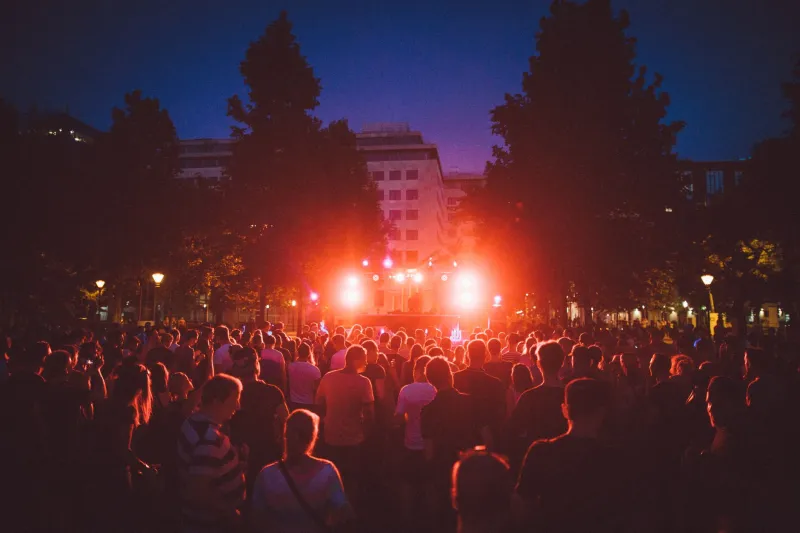
And if you're in Michigan? Go to shows. The small venue experience is where this music lives most authentically, and there's something genuinely exciting about watching an artist in a room of two hundred people when you have the sense that in a year, you won't be able to get that close again.
Michigan has always made music. But right now, it feels like the rest of the country is finally leaning in to listen.